
The Protection Route
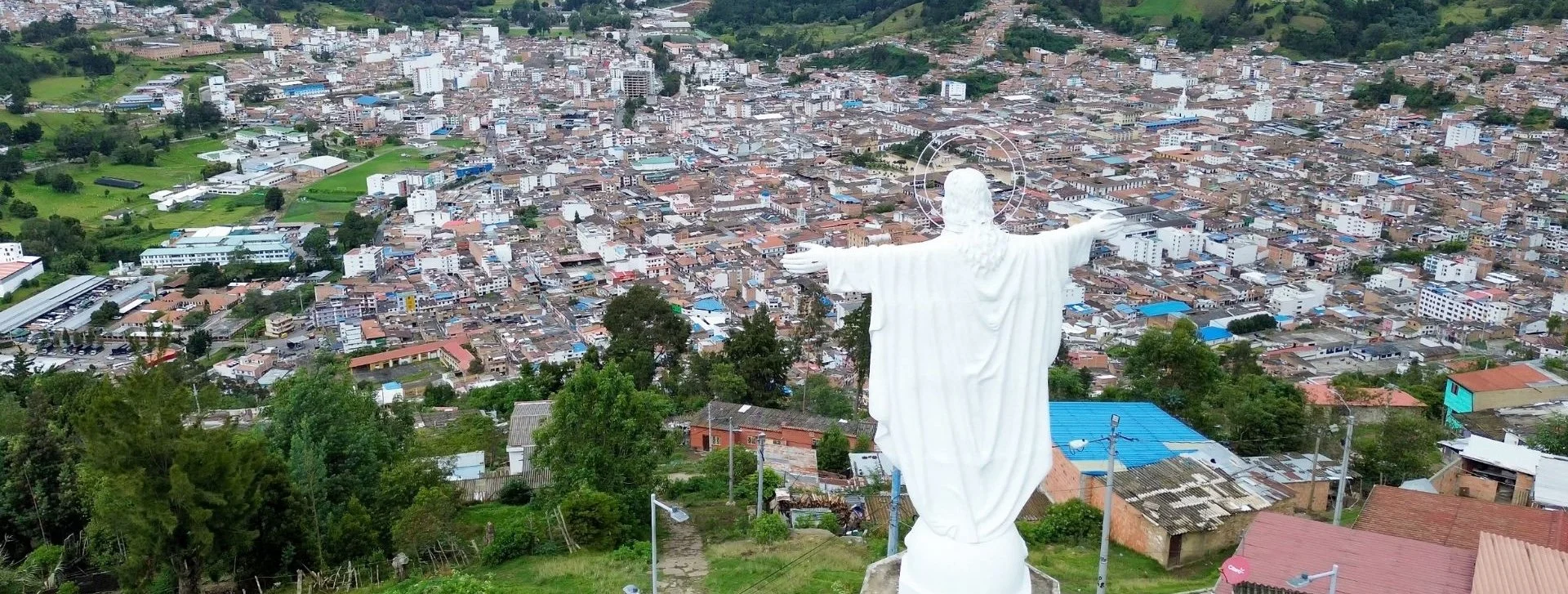
Venezuela was a country of more than 29 million people. For years, its economy was fueled by one of the largest oil industries in the Western Hemisphere. But when that industry collapsed, it triggered what many consider one of the worst economic disasters in modern history that was not caused by war or conflict. Millions of people suddenly found themselves facing an impossible reality. Savings disappeared. Jobs vanished. Money became virtually worthless. It didn't matter whether you were wealthy or poor—everyone was effected.
As the crisis deepened, families were forced to make heartbreaking decisions. Many left behind their homes, careers, and loved ones in search of a way to survive. They began crossing the border into Colombia, hoping to start a new life or simply find work and provide for their families still living in Venezuela. What started as a trickle soon became a flood. Nearly 1 million people left in just the first year. Today, 8 million people, roughly 1/3 of Venezuela's population, have left their homeland, creating one of the largest migration crises in the world. This is where On The Ground International, the organization we have been filming with this month, enters the story.
In the early days of the crisis, Bethani King, the founder of the organization On The Ground International, traveled to Colombia and witnessed the situation firsthand. She spent the next year researching, literally traveling the mountain roads and talking with migrants and Colombians alike. She wanted to understand not only what people needed, but what recourses existed and how she could get involved.
The route many Venezuelans travel winds through the foothills of the Andes Mountains. Some walk hundreds of miles. They push strollers, carry heavy bags, travel on crutches and in wheelchairs. Many wear worn-out shoes. Some have no shoes at all. Day after day, they keep moving forward, driven by the hope of finding a better future for themselves and their families.
"The Protection Route" is the name of the 500-mile expanse of winding roads that Venezuelans must travel through the mountains. It is along this route that On The Ground International operates three shelters.
Elonni, 2,500 feet:
This is the first of the three shelters and a very important one, as it is the first shelter migrants encounter after entering Colombia. Located right along the highway, it serves as a place where Venezuelans can learn about the other two shelters along the route if they have not already heard about them through word of mouth.
Casa Kenny, 7,600 feet:
This is the second shelter and probably the one with the most traffic, as it is located in the small city of Pamplona and serves as the final stop before the long, difficult climb into the mountains. Here, the volunteers keep an eye out for people who may be poorly dressed for the journey ahead. The lowlands of Colombia are very hot, so it is understandable to find migrants dressed in short sleeves, shorts, and flip-flops, often with nothing else on their person that would provide warmth. However, the highest point along this route exceeds 11,000 feet, leaving many completely unprepared for the cold and sometimes freezing temperatures at the top of the mountain pass. At Casa Kenny, workers watch for those who may be the most vulnerable before they continue to the third and final shelter. They often provide warmer clothing and, in some cases, even shoes.
La Laguna, 10,000 feet:
This shelter may not receive as much foot traffic as the other two, but Bethani made it clear that it is one of the most important. For unprepared migrants heading into freezing temperatures, having a place to stay overnight is vital. In the past, some have died from the harsh, cold conditions. This shelter helps solve a major problem by providing travelers with a warm and safe place to sleep.
For people who have spent days or even weeks on the road, these shelters provide something simple yet life-changing: a hot meal, a safe place to sleep, a shower, and a roof overhead.
Bethani shared that there were times when the magnitude of the crisis felt overwhelming. When millions of people are suffering, it is easy to wonder whether your efforts are making any difference at all. But over time, she realized something important: no one organization can solve the entire crisis. Sometimes the most meaningful work is not flashy or dramatic. Sometimes it is washing sheets, scrubbing toilets, cooking meals, or serving food.
Those tasks may seem small, but to the person who arrives exhausted, hungry, and uncertain about tomorrow, they mean everything.
You may never know how far a simple act of Christlike kindness reaches. But if you can help one person make it one more day, if you can offer hope to someone who feels forgotten, then you have made a difference.
Please take the time and visit On the Ground International’s Website.
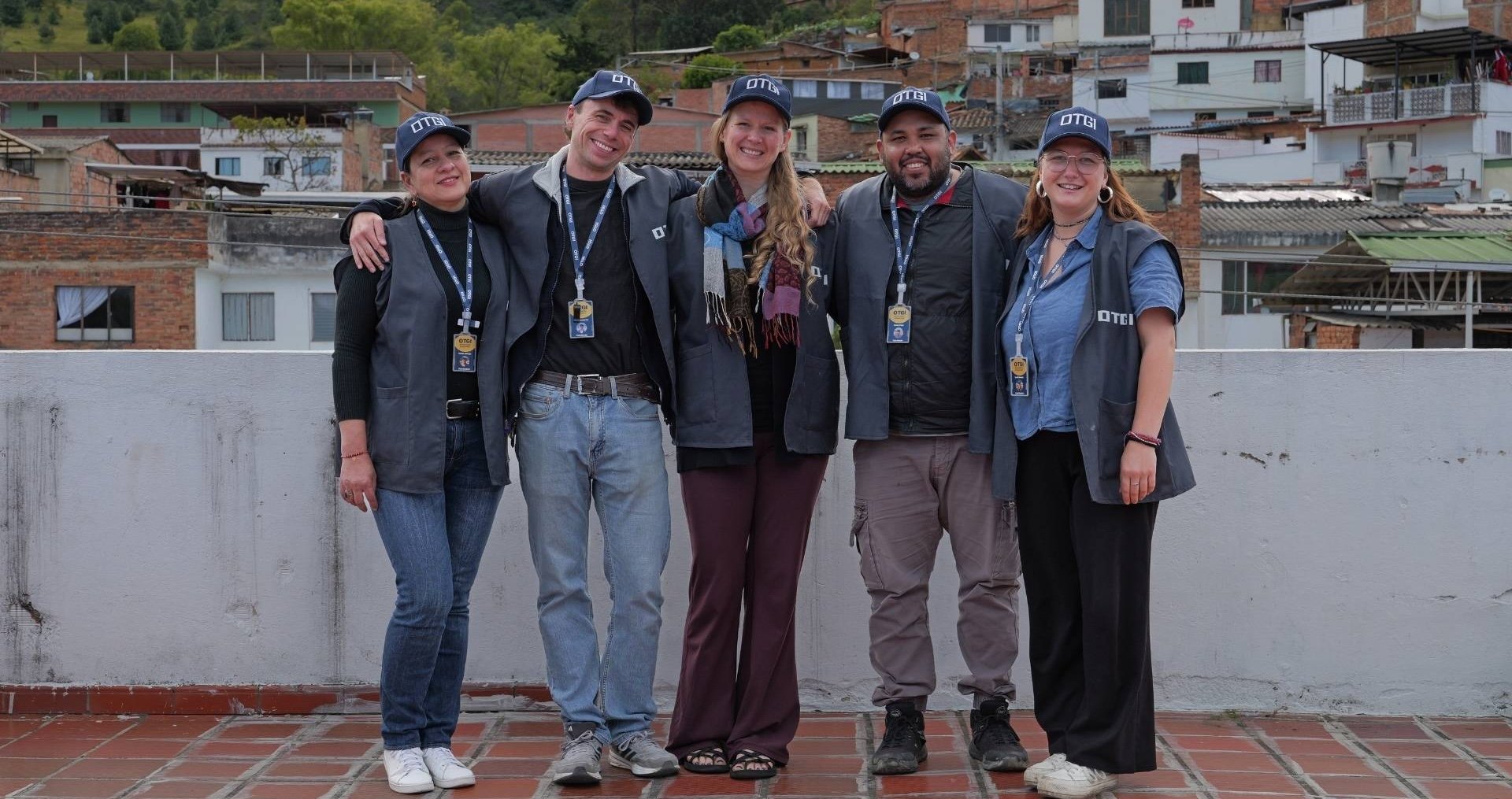
Photo: Bethani King (middle) and Coordinator Team